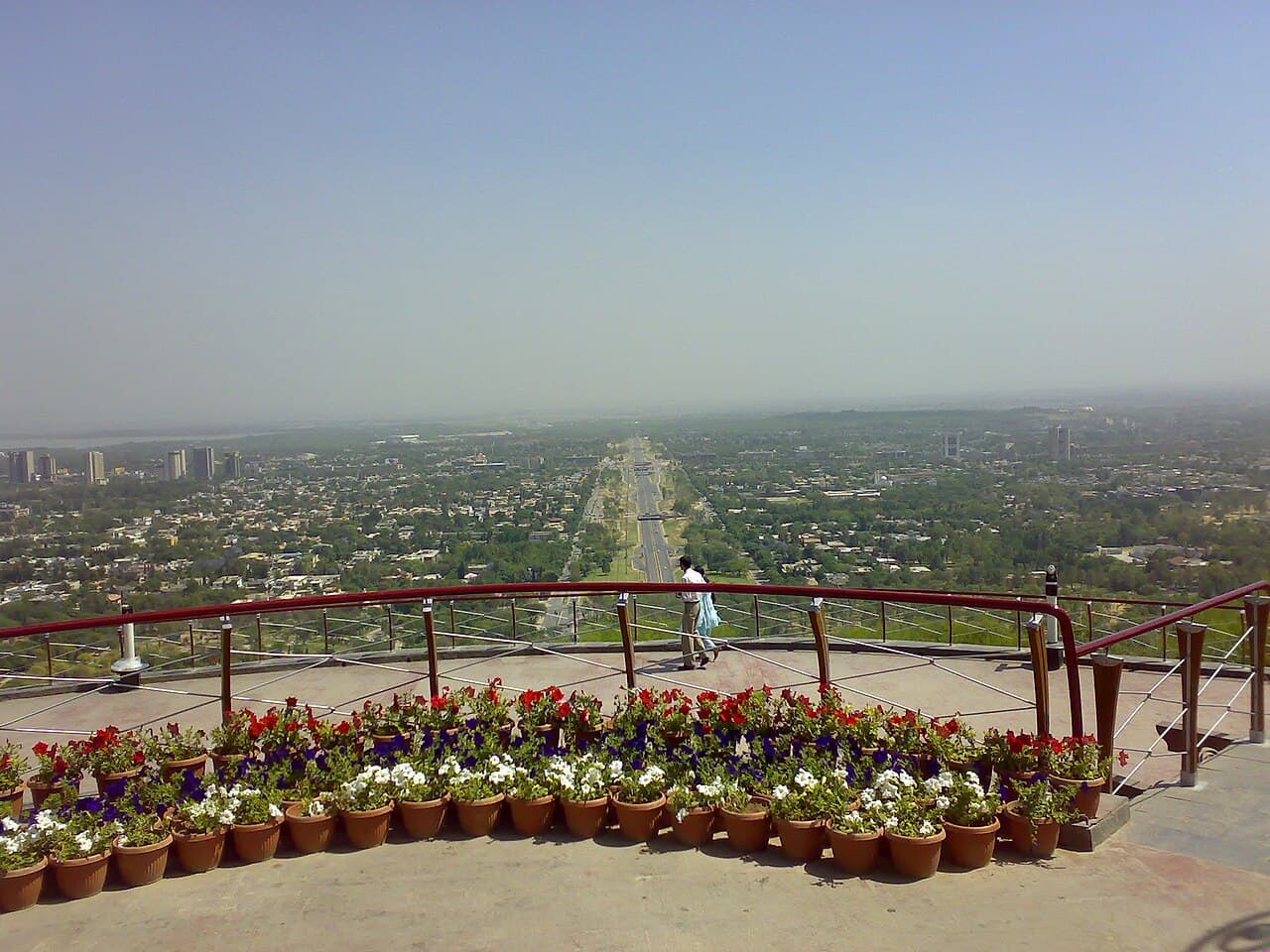
Practical guide Planning
Islamabad Sector Guide: Read Addresses and Plan Routes
Use Islamabad's sector-based plan for orientation, preserve official addresses and choose a base around verified destination pins.
4 min read4 sources
25 articles to explore
Get to know the places behind the photographs. Browse practical travel guides and stories about the destination, its culture and its everyday life.
25 of 25 articles
Guides for planning. Features for exploring.
Practical guide Planning
Use Islamabad's sector-based plan for orientation, preserve official addresses and choose a base around verified destination pins.
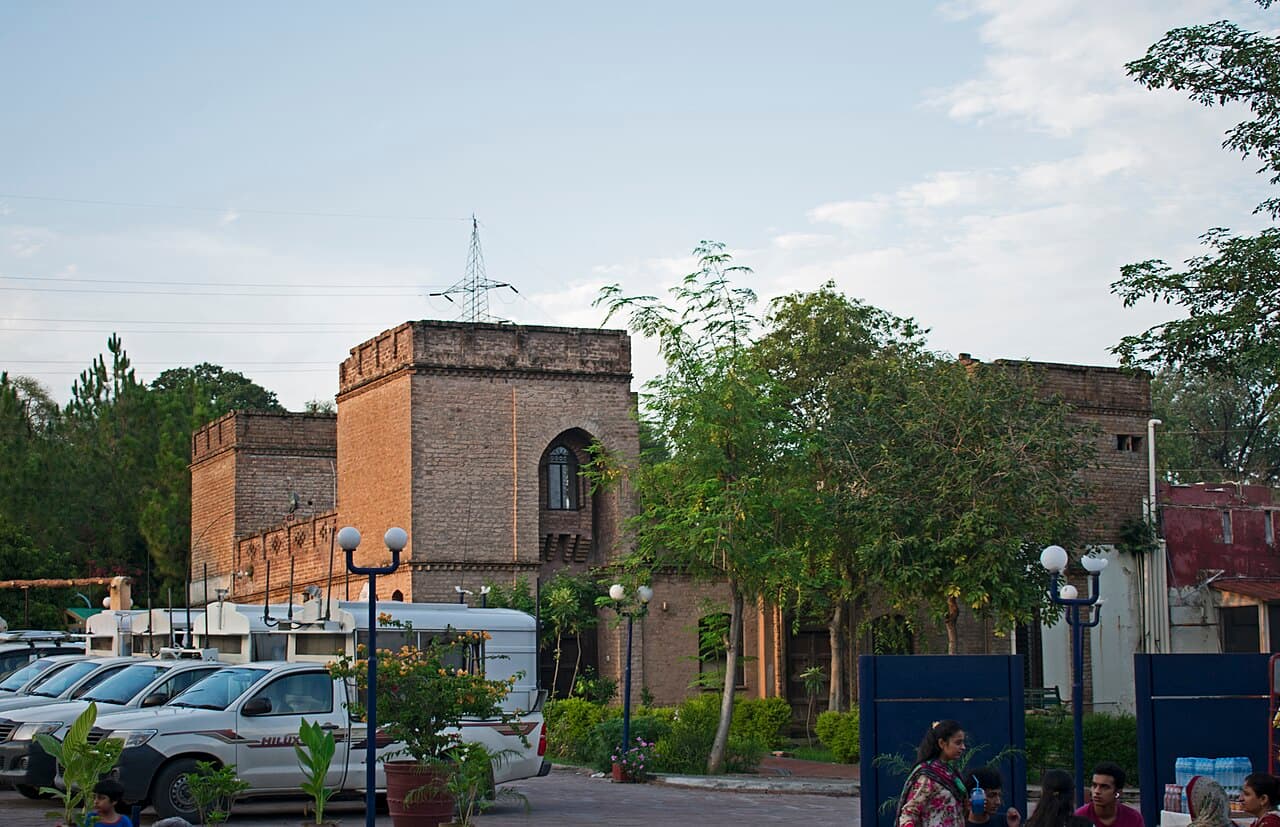
Practical guide Museums
Plan a focused Islamabad culture day across Lok Virsa, Pakistan Monument Museum, PMNH and the National Art Gallery without rushing displays.
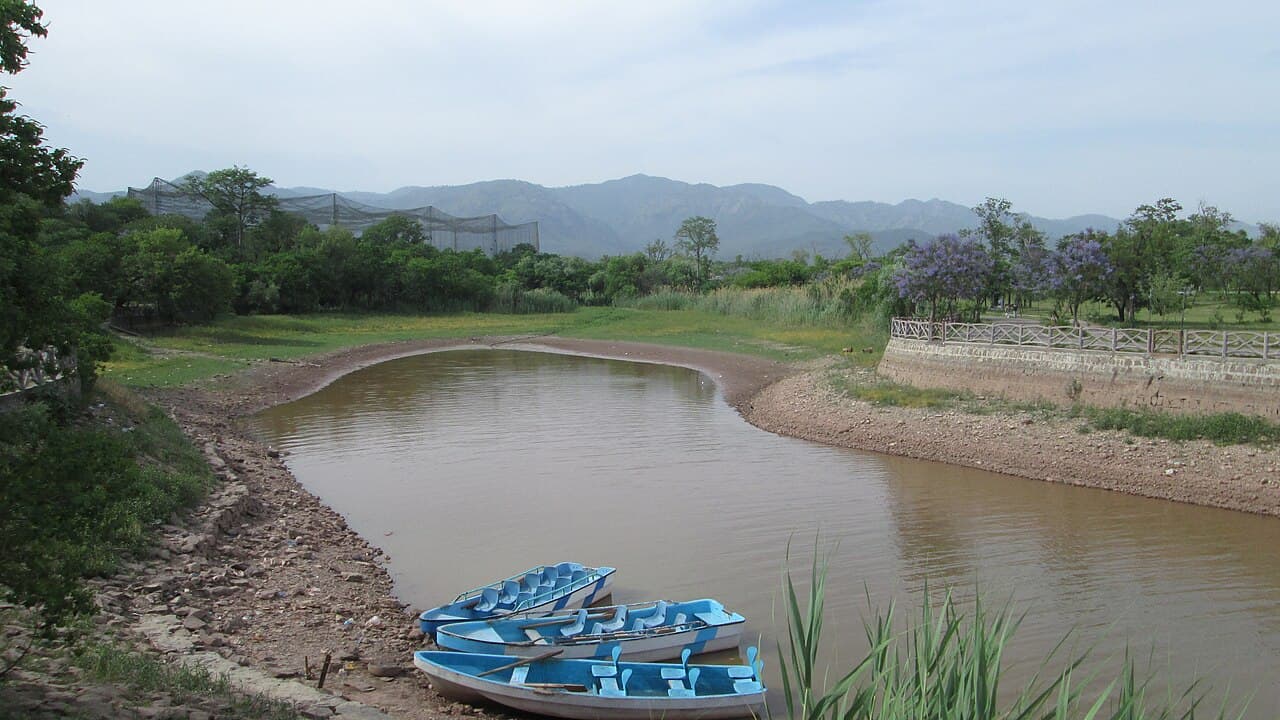
Practical guide Family travel
Compare Fatima Jinnah Park, Lake View Park, Shakarparian and smaller family options by space, focus, weather exposure and nearby backups.
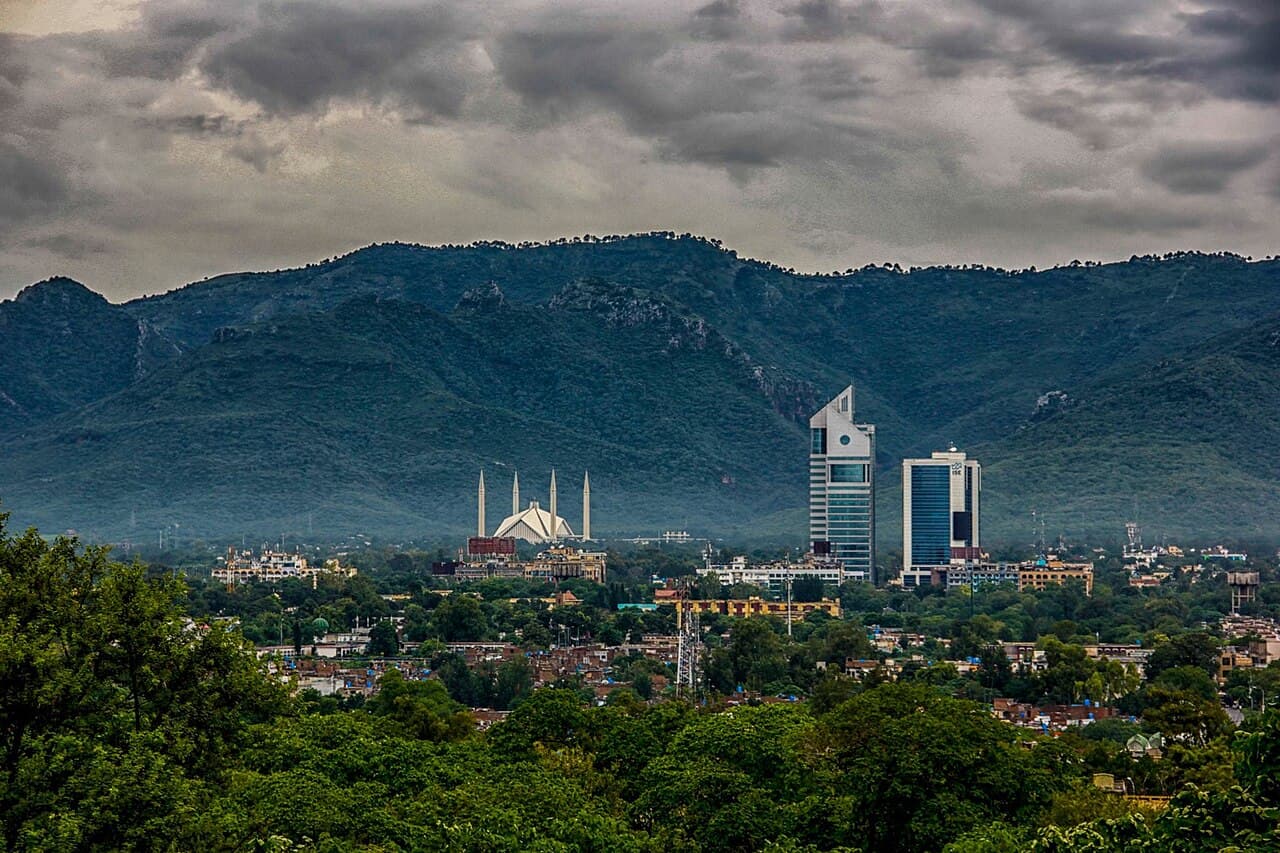
Practical guide Weather
Use live PMD alerts, choose a compact indoor cluster and avoid turning wet-weather sightseeing into unnecessary cross-city travel.
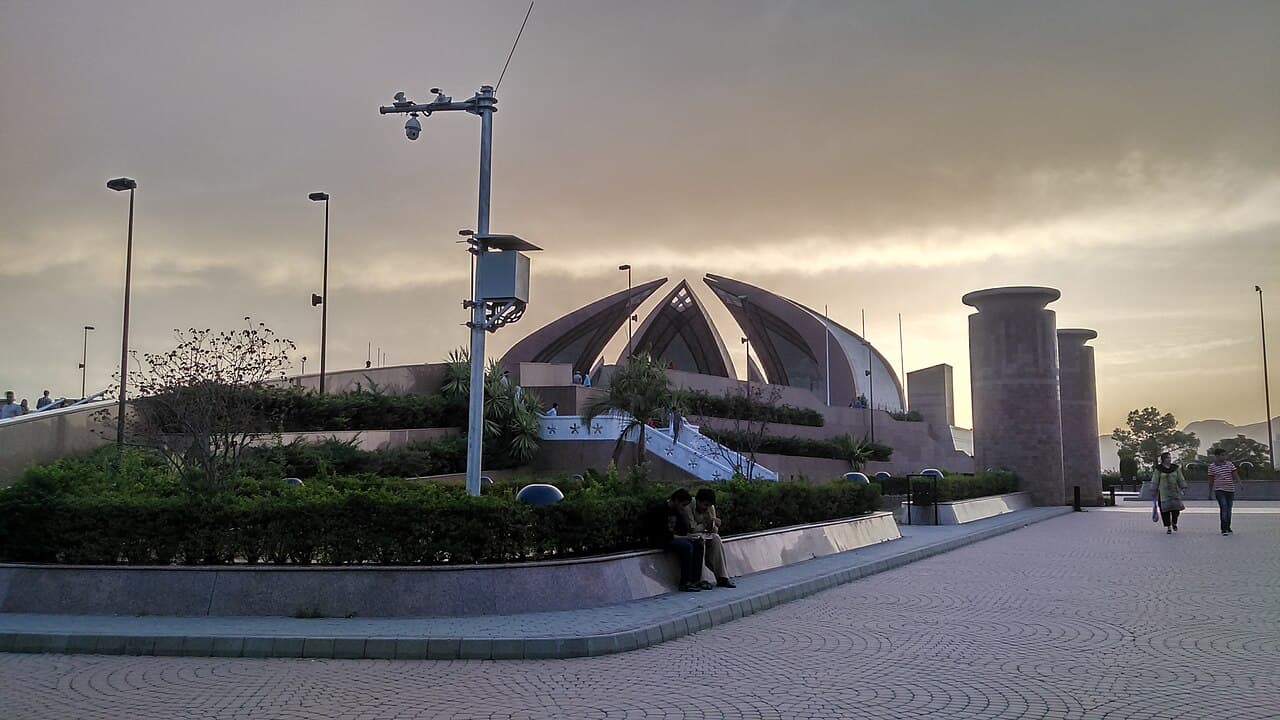
Blog feature City stories
Read Islamabad's grid, sectors, Blue Area, national institutions and green framework as parts of a changing capital plan, not a frozen diagram.
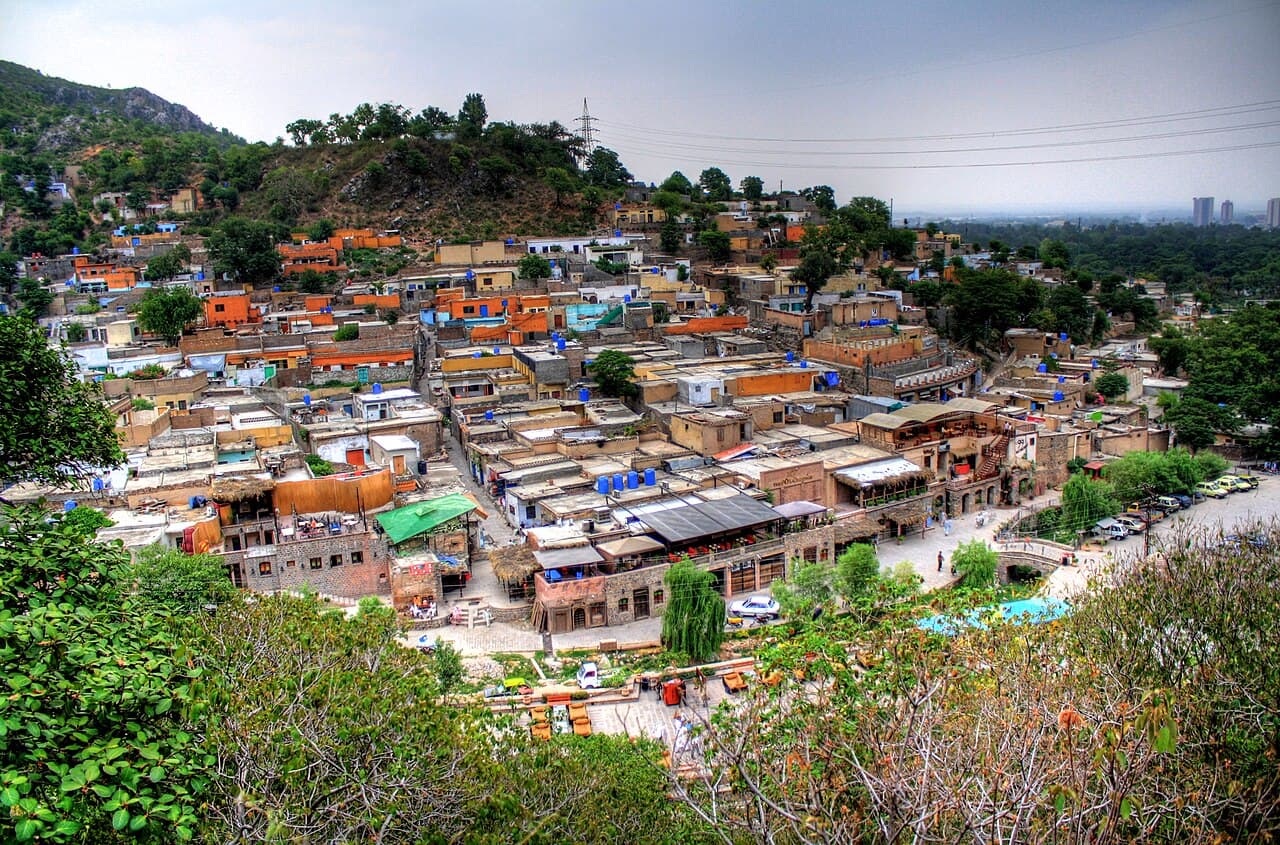
Blog feature Heritage
Approach Saidpur as a lived foothill settlement inside a protected landscape, separate official evidence from inference and photograph with care.
Blog feature Urban life
Understand the twin cities through planning history, contrasting urban form, shared transport and the daily connections that cross their boundary.
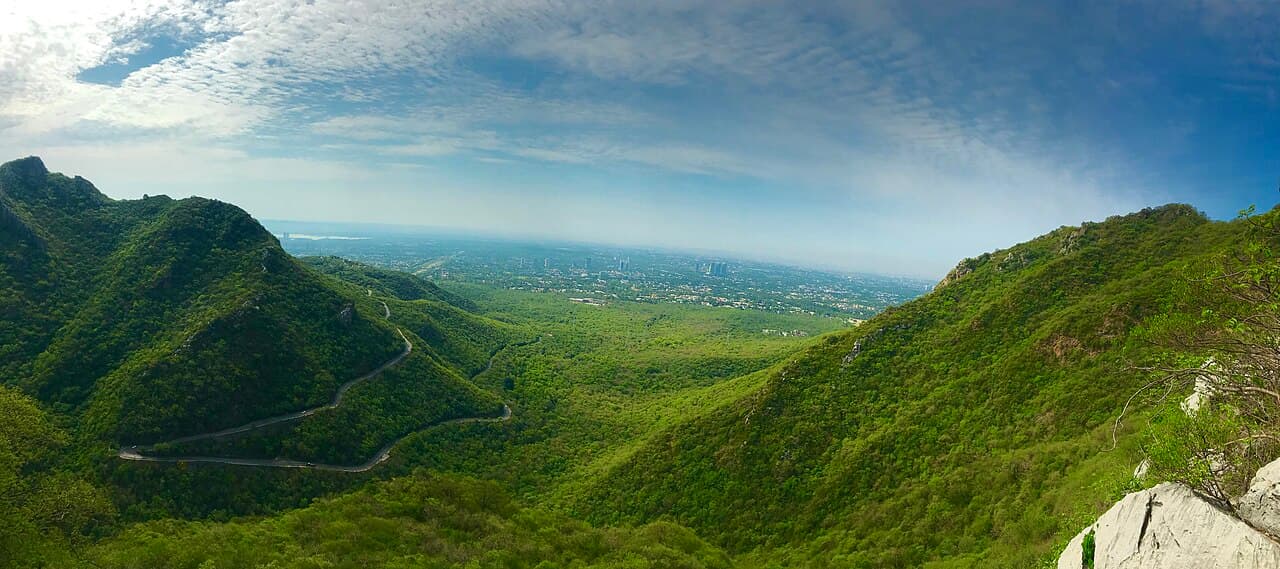
Blog feature Nature
See how plateau, hills, watersheds, protected habitat and planned green systems shape Islamabad beyond its familiar postcard viewpoints.
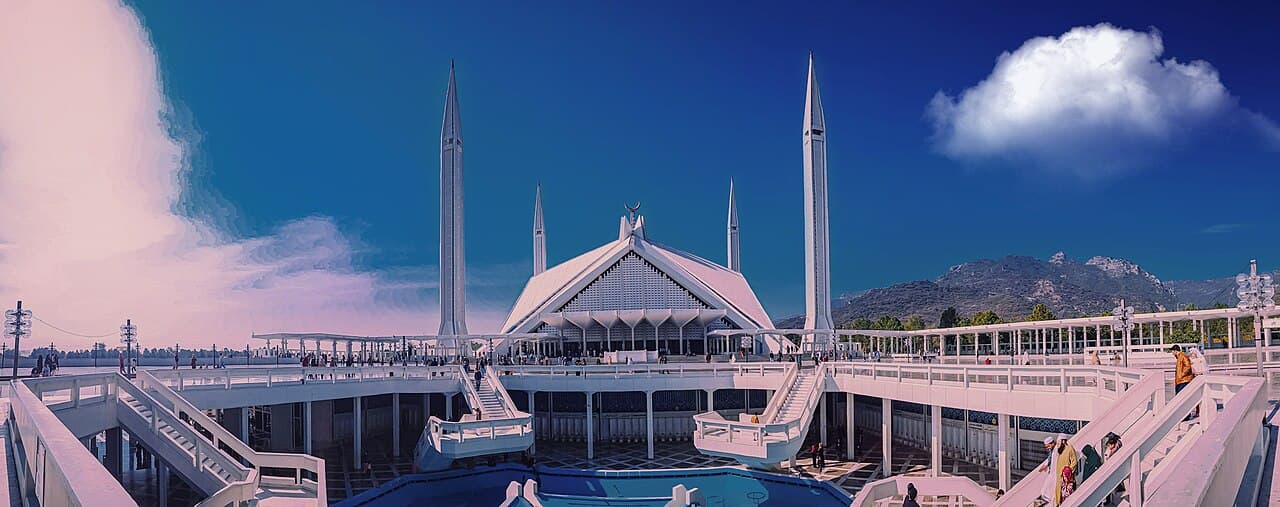
From the archive Nature
A practical comparison of the Margalla Hills' marked routes, from the easy Trail 3 stroll to the more demanding Trail 6 ridge walk.
From the archive Lifestyle
The capital has quietly become one of Pakistan's best cities for remote work. High-speed fibre is widespread, the cafe culture in F-7 and F-10 is genuinely excellent, and the cost of a productive workday is a fraction of what you'd pay anywhere in Europe.
From the archive Travel
Within a three-hour radius of Islamabad lie some of the most dramatic landscapes in Asia — ancient salt mines, Mughal gardens, high mountain valleys, and centuries-old forts. Here's how to plan five of the best day trips without wasting a single hour.
From the archive Food
Islamabad used to be dismissed as a city of diplomats eating at hotel buffets. That story is twenty years out of date. The capital now has a food scene that draws from Pashtun, Punjabi, and Central Asian traditions while producing restaurants that could hold their own in any cosmopolitan city.
From the archive Nature
The monsoon transforms the Margalla Hills from dusty brown to a luminous, impossible green. Hiking in the rain is not for everyone, but for those willing to accept the mud and the mist, July and August offer some of the most beautiful trail conditions of the year.
From the archive Food
Forget generic lists. This is a sector-by-sector guide to where Islamabad's serious eaters actually go — from F-6 Markaz classics and Kohsar Market fine dining to G-10 budget dhabas, E-11's new wave kitchens, and Bahria Town's unexpected steakhouse scene.
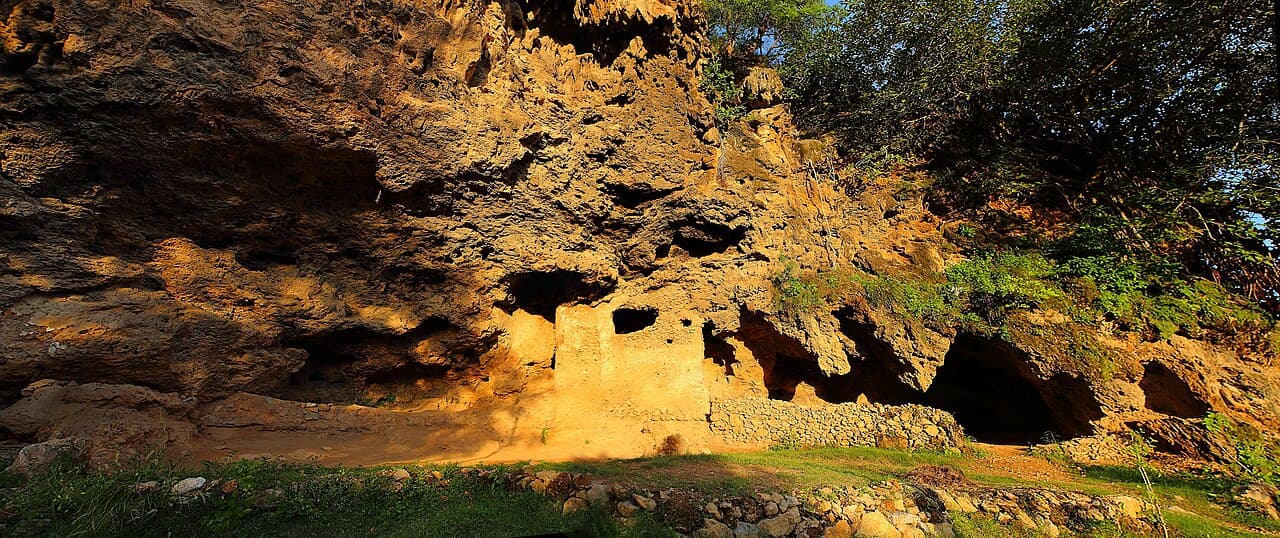
From the archive Culture
The Faisal Mosque is one of the most architecturally significant buildings in the Islamic world. This guide covers the architecture, visiting hours, dress code, photography rules, parking, the best light for photos, and what most visitors miss entirely.
From the archive Nature
The Margalla Hills hike differently depending on the month. Spring wildflowers in March, monsoon waterfalls in August, golden autumn light in October — here is exactly which trails to hike and when, including IWMB rules, closures, and wildlife spotting windows.
From the archive Lifestyle
For expats, relocating Pakistanis, and anyone trying to choose between F-7 and G-11: an unvarnished guide to what each zone of Islamabad actually costs to live in, what the schools are like, where you'll buy groceries, and which sectors are genuinely walkable.
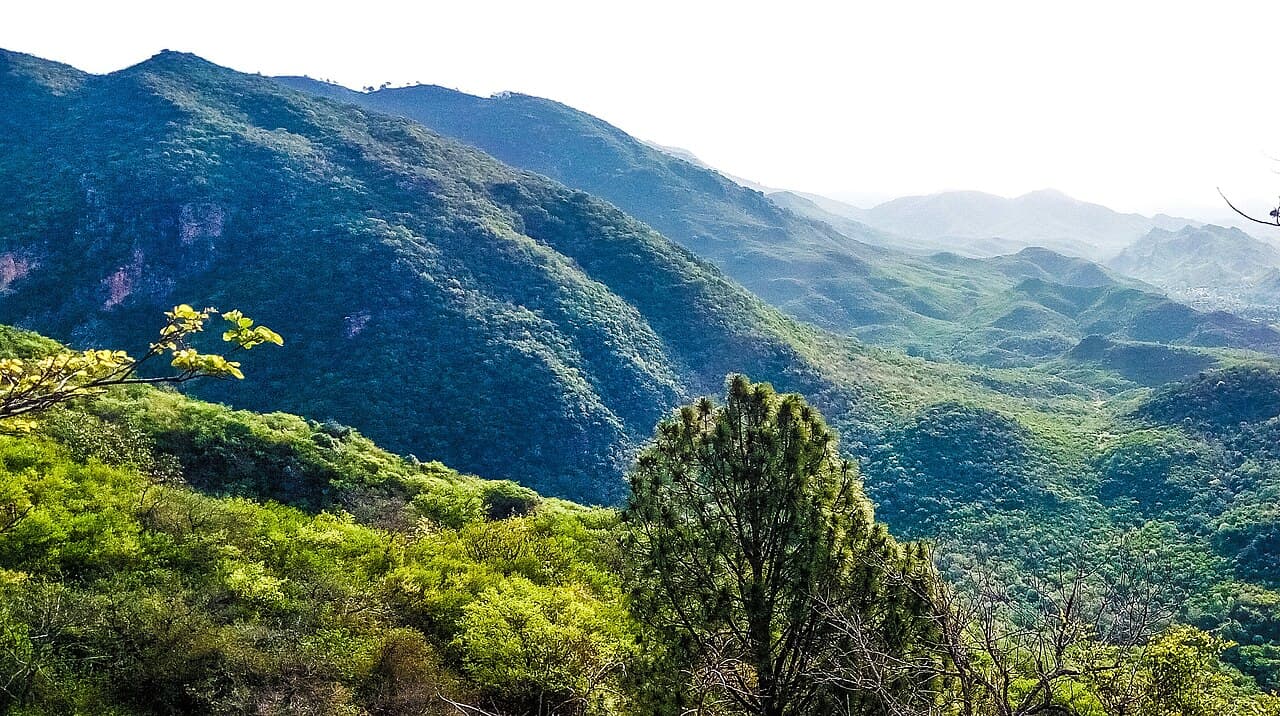
From the archive Food
Twenty minutes from Islamabad's gleaming F-sectors lies a food city that is older, louder, cheaper, and — in many key categories — better. Here is the honest guide to Raja Bazaar street food, Kartarpura's famous food street, Saddar's old restaurants, and why the Pindi biryani debate is not actually a debate.
From the archive Food
From Savour Foods' legendary yakhni pulao at PKR 650 to Dynasty Serena's Cantonese banquet at PKR 9,000 per head — a frank, sector-tagged guide to 20 restaurants in Islamabad ranked by budget, with must-order dishes, parking notes, and honest reservation warnings.
From the archive Nature
Trail 5 is Islamabad's best-kept hiking secret — a moderate 3km climb to a ridge viewpoint above 1,100m with the entire city bowl visible below. Full route breakdown, GPS coordinates, IWMB rules, wildlife warnings, and what to bring.
From the archive Travel
Murree is 60km from Islamabad but the travel time varies from 45 minutes to 5 hours depending entirely on when you go. Complete route breakdown, two road options, real chairlift prices, hotel costs, the best restaurants on Mall Road, and the one weekend you must absolutely avoid.
From the archive Culture
Everything you need to visit Faisal Mosque properly: the architectural story of Turkish designer Vedat Dalokay's winning 1969 design, exact non-Muslim visiting hours, the dress code enforced at the gate, photography rules, the best camera angles, and what most visitors walk past without noticing.
From the archive Lifestyle
The real numbers behind living in Pakistan's capital — sector-by-sector rent data for 2BR apartments, monthly grocery estimates, petrol costs at PKR 269/litre, school fee ranges, and a complete monthly budget breakdown for a comfortable family of four.
From the archive Travel
A one-day Islamabad plan works best when you move in a clean arc: start at Faisal Mosque, break for coffee in F-7, stop at Daman-e-Koh and Saidpur, then finish with sunset dinner at Pir Sohawa. This is the route that makes the capital feel simple on a first visit.
From the archive Lifestyle
Islamabad's markets do different jobs: Jinnah Super is the polished social market, Aabpara is the old bazaar with books and bargains, and F-10 Markaz is where practical shopping gets done. If you know those three, you know the city's retail map.