Monsoon Hiking in Islamabad: Best Rainy Season Trails and Tips
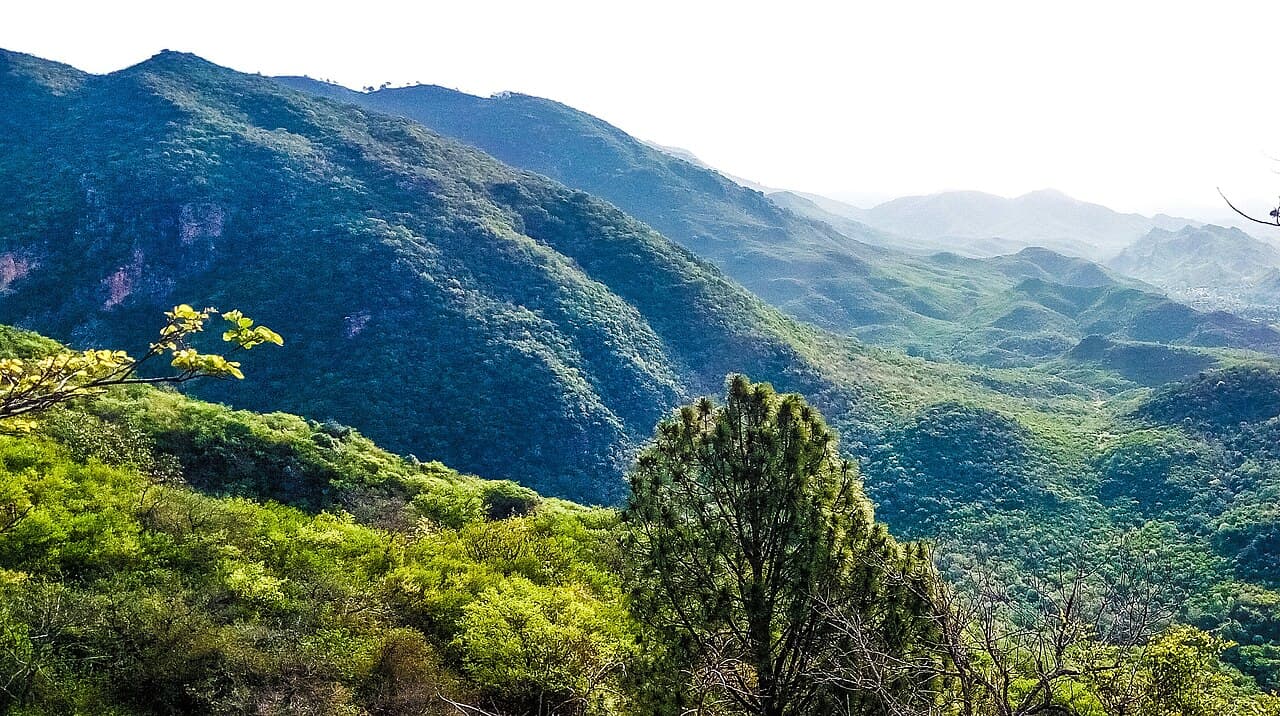
The monsoon transforms the Margalla Hills from dusty brown to a luminous, impossible green. Hiking in the rain is not for everyone, but for those willing to accept the mud and the mist, July and August offer some of the most beautiful trail conditions of the year.
Most hiking guides tell you to avoid the Margalla Hills in July and August. The conventional advice is sound: the trails get slippery, the humidity is extreme, and afternoon thunderstorms can develop rapidly over the ridge. But this advice, followed rigidly, means missing something extraordinary. After the first proper monsoon rains, the Margalla Hills undergo a transformation so complete it's difficult to believe you're looking at the same landscape. The dry, scrubby hillsides of May become a dense, dripping, luminously green forest. Waterfalls appear on slopes that were bare rock three weeks earlier. The air smells of wet earth and wild herbs.
Here is how to experience monsoon hiking in Islamabad safely and at its best.
The Best Monsoon Trail: Trail 3 Post-Rain
Trail 3 earns its reputation as the city's best trail differently in monsoon season than in winter. The wide path provides enough traction even when wet, and the canopy — now fully leafed out — creates a tunnel of green that filters the light into something almost theatrical. The small stream that runs alongside the lower portion of Trail 3 swells considerably after heavy rain; crossing it requires care but is manageable. The ideal timing is two to three hours after a rain shower stops — the mud has begun to drain, the air is cool, and the forest is still dripping with enough moisture to keep the atmosphere magical without making the path treacherous.
Waterfalls: Where to Find Them
The seasonal waterfalls that appear on the northern face of the Margalla ridge are not marked on any official trail map, but they are well known to regular hikers. The most accessible falls appear along the upper section of Trail 5 approximately 45 minutes from the trailhead — a cascade of perhaps eight metres dropping over a sandstone ledge into a shallow pool. Getting there requires the full Trail 5 approach, which in monsoon conditions demands waterproof boots and trekking poles. A second, smaller fall is accessible via Trail 4 on the connector section; local hikers call it the "hidden fall" and it sees almost no visitor traffic.
Wildlife and Birding in the Monsoon
The monsoon months coincide with peak bird activity in the Margalla Hills. Resident species are joined by monsoon migrants, and the dense vegetation makes the hills feel alive with movement and sound in a way the drier months cannot match. The Indian paradise flycatcher — a bird with an improbably long white tail — is most easily spotted in July along the forested sections of Trail 4. The crested serpent eagle hunts the open ridgeline above Trail 6 during the brief windows between rain squalls. Early morning between 5:30 and 7:30 a.m. is the optimal window before the heat and humidity build.
Safety Rules for Monsoon Hiking
The risks are real and worth addressing directly. Never hike during active thunder; lightning on the open ridge above 1,000 m is genuinely dangerous and Pakistan has recorded fatalities from lightning strikes on the Margalla trails. Check the weather forecast the night before using the Pakistan Meteorological Department app — afternoon storms typically develop by 2 p.m., so morning starts before 6 a.m. give you a meaningful safety margin. Tell someone your planned route and expected return time. The IWMB ranger posts are staffed during peak season and maintain informal communication about trail conditions; stopping to check in at the kiosk takes two minutes and is worth the habit.
What to Carry for a Monsoon Hike
The gear list for a safe monsoon hike differs from a dry-season outing in a few important ways. Waterproof footwear is non-negotiable — standard trail runners become useless within fifteen minutes of wet trail. A lightweight poncho packs down to nothing and weighs almost as little; an umbrella is counterintuitively useful on the wider trails and offers better ventilation than a rain jacket in high humidity. Carry a dry bag for your phone and any documents. Electrolyte tablets matter more in monsoon hiking than most people expect — you sweat heavily in the humidity even when you don't feel it. And leave the white shoes at home. The Margalla monsoon mud is the deep, staining kind.
Story
Nature
Reading time
6 min
Legacy editorial
First published 10 April 2025
Verify changing facts and prices independently.
More scenes from the destination
General destination planning
Check current details before you go
These official links are general planning resources, not evidence for this article. Opening hours, fares, prices, access rules and businesses can change, so confirm details independently for your dates.
Taqi Naqvi
AI product builder, writer, and Islamabad enthusiast. Building the Top 10 network to document the best of Pakistan's cities - honestly.
Connect on LinkedIn →