Cost of Living in Islamabad 2025: Rent, Food, Transport & Monthly Budget
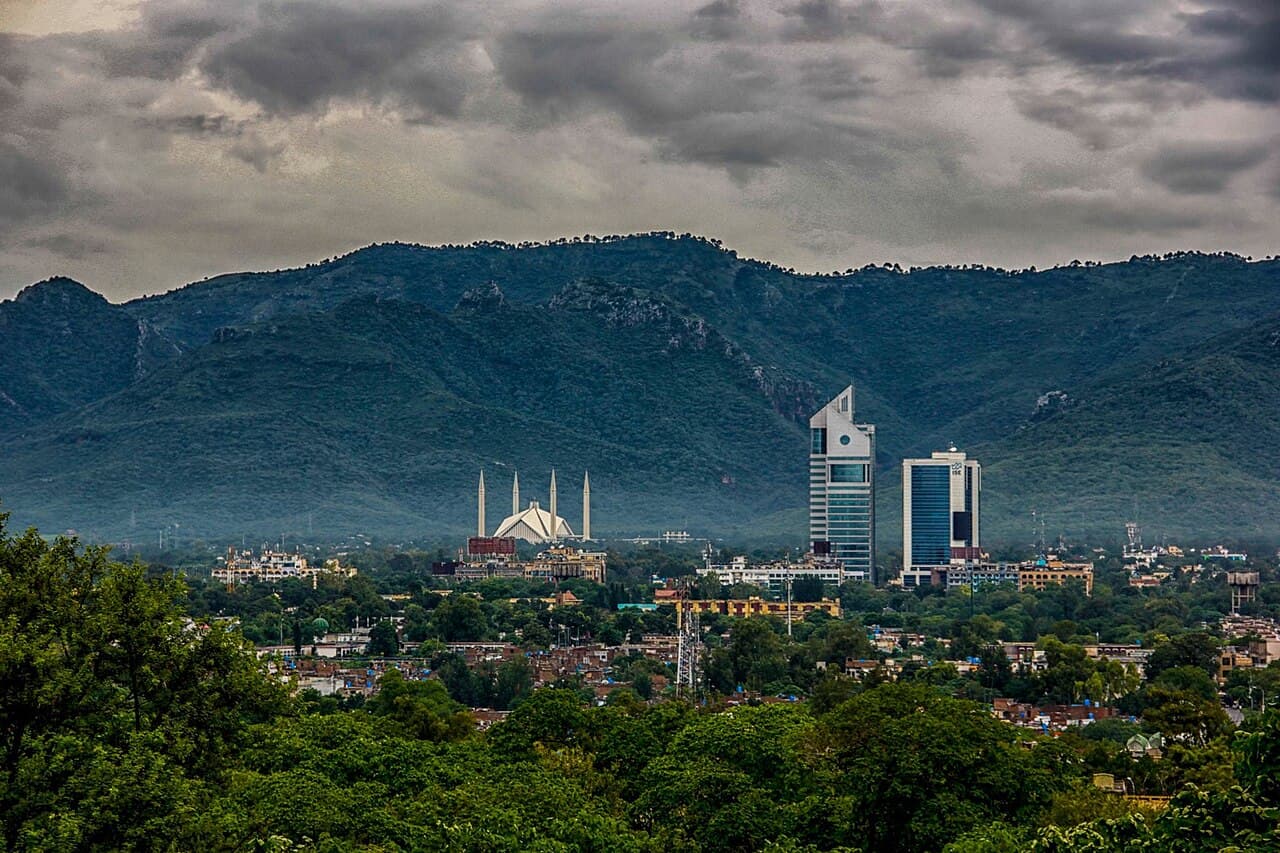
The real numbers behind living in Pakistan's capital — sector-by-sector rent data for 2BR apartments, monthly grocery estimates, petrol costs at PKR 269/litre, school fee ranges, and a complete monthly budget breakdown for a comfortable family of four.
Islamabad is one of the more expensive cities in Pakistan — comfortably behind Karachi's prime commercial zones but comparable to upper-middle Lahore. What makes cost-of-living analysis in Islamabad particularly interesting is the extraordinary range within the city: a comfortable two-bedroom apartment in F-6 costs more than four times the equivalent in Bahria Town. Understanding the tier structure is the first step to making a financially rational housing decision. This guide uses current (2025) market data for every figure quoted.
Rent: The Biggest Variable
Rent is the dominant cost driver for most Islamabad households. The sector system creates a de facto pricing hierarchy that is broadly predictable but has micro-variations based on apartment age, floor, view, and proximity to commercial areas within each sector.
Two-Bedroom Apartment: Monthly Rent by Sector (2025)
- F-6: PKR 150,000–250,000 — Old Islamabad's most prestigious residential sector; proximity to Jinnah Super and Kohsar Market drives the premium
- F-7: PKR 100,000–180,000 — The most in-demand sector for the expat and NGO community; excellent walkability, best cafe density
- F-8 / F-10: PKR 80,000–150,000 — Solid family sectors with good school access; newer builds in F-10 approaching F-7 pricing
- F-11: PKR 70,000–130,000 — Large residential plots, good Margalla access; the established upper-middle alternative to F-6/7
- G-10: PKR 45,000–75,000 — The value-for-money workhorse sector; good commercial strip, moderate commute to Blue Area
- G-11: PKR 40,000–65,000 — Adjacent to G-10 with slightly lower density; a pragmatic choice for families prioritising space over prestige
- E-11: PKR 65,000–120,000 — Newer sector with excellent restaurant and commercial development; the "new F-7" for younger professionals
- DHA Phase 2: PKR 90,000–180,000 — Gated community premium; 24/7 security, maintained streets, but 25–35 minutes from the F-sector core
- Bahria Town: PKR 35,000–60,000 — The most affordable large-scale housing scheme within greater Islamabad; entirely car-dependent, but value is undeniable
All figures are market-rate unfurnished. Furnished apartments command a 20–35% premium. Figures sourced from Zameen.com and Graana.com listings, March–May 2025.
Food Costs
Monthly Groceries (Family of 4)
A family of four shopping at Carrefour (Centaurus Mall) or Metro Cash & Carry (G-9) for a full monthly grocery basket — including fresh produce, dairy, meat, dry goods, and household staples — spends approximately PKR 35,000–55,000 per month. The lower end of this range reflects disciplined shopping with Pakistani brands and local produce; the upper end includes imported goods, premium meats, and specialty items. The same basket at a sector Agha's or a local kirayana shop is approximately 15–20% cheaper for staple items but lacks the imported and specialty product range.
Eating Out Budget
A family of four eating out 8–10 times per month across a mix of local dhabas (PKR 1,500–2,500 per meal) and mid-range sector restaurants (PKR 4,000–8,000 per meal) will budget approximately PKR 15,000–30,000 per month on dining. This does not include the premium tier (Sakura, Dynasty, La Montana) which operates as an occasional expense rather than a monthly line item for most households.
Transport
Petrol Costs
Petrol (RON 92) is priced at PKR 269/litre as of March 2025, set by OGRA on a fortnightly cycle. A family running one medium-sized car (1300cc–1800cc) with typical Islamabad commuting — school runs, office commutes, weekend activities — covers approximately 1,500–2,000 km per month, consuming 100–130 litres at a monthly fuel cost of PKR 15,000–25,000. Families with two cars roughly double this figure. The sector-to-sector driving distances in Islamabad are short — F-7 to Blue Area (the main commercial district) is 6 km — but the school-run complexity often drives the actual monthly distance higher than raw commute analysis suggests.
Ride-Hailing
For households without a car or for supplementary travel, ride-hailing is widely available and comparatively affordable:
- F-7 to Blue Area: PKR 250–400 (10 minutes, 6 km)
- Islamabad (F-6) to Rawalpindi (Saddar): PKR 500–800 (25–35 minutes, 18 km)
- F-7 to Islamabad Airport (IIAP): PKR 1,200–1,800 (35–50 minutes, 25 km)
- Bahria Town to Blue Area: PKR 800–1,200 (35–45 minutes, 22 km)
Ride-hailing availability and prices change by time and app. Compare the live quote before booking, verify the driver's plate and profile, and use the in-app trip-sharing feature where available. The Islamabad Metrobus covers the Blue Area to Faizabad corridor efficiently but does not reach most residential F-sectors directly; check its current fare and route map before travel.
School Fees
Islamabad's private school market is substantial and diverse. Monthly fee ranges by tier (2025):
- Premium international schools (International School Islamabad, Froebel's): PKR 50,000–80,000/month
- Upper-tier Pakistani private schools (Beaconhouse NSS, Roots International): PKR 30,000–55,000/month
- Mid-tier private schools: PKR 15,000–30,000/month
- Registration and annual fees: Typically an additional 1–2 months' tuition equivalent per year
Government schools are nominal-cost but require careful evaluation on quality grounds. The Capital Development Authority operates a number of mid-quality government schools that families with flexible residential choices use effectively.
Utility Bills
- Electricity: PKR 8,000–12,000/month in mild seasons; PKR 15,000–20,000/month in peak summer (June–August) with full air conditioning in a 3-bedroom apartment. IESCO slab rates make consumption above 700 units/month expensive at PKR 40–50/unit.
- Gas (SNGPL): PKR 3,000–5,000/month in summer; PKR 6,000–8,000/month in peak winter heating (December–January). Gas load-shedding in winter remains a reality in some sectors — a gas heater backup is advisable.
- Internet: Storm Fiber or PTCL 100 Mbps fibre package: PKR 3,500–5,000/month. 200 Mbps packages available for PKR 5,500–7,500/month. Fibre availability is excellent across F-sectors; G-sector coverage is improving but still patchy in some sub-sectors.
- Water: CDA water supply is included in property tax for most sectors; tanker top-up (1,000 gallons) when supply is insufficient: PKR 1,500–2,500 per delivery.
Monthly Budget Summary
Combining the above categories, here is an honest budget framework for a family of four in Islamabad in 2025:
Comfortable Mid-Range (G-10/F-11 sector, one car, private school)
- Rent (2BR, G-10): PKR 55,000
- Groceries: PKR 40,000
- Eating out (8× month): PKR 20,000
- Petrol (one car): PKR 18,000
- School fees (one child, mid-tier): PKR 25,000
- Electricity + gas + internet: PKR 18,000
- Miscellaneous (clothing, healthcare, entertainment): PKR 20,000
- Total: approximately PKR 196,000/month
Comfortable Expat / Upper-Professional (F-7/F-8, two cars, premium school)
- Rent (2BR, F-7): PKR 140,000
- Groceries (including imports): PKR 55,000
- Eating out (12× month, mix of mid and premium): PKR 40,000
- Petrol (two cars): PKR 35,000
- School fees (one child, premium international): PKR 65,000
- Electricity + gas + internet: PKR 22,000
- Domestic help (one full-time housekeeper): PKR 25,000
- Miscellaneous (travel, recreation, healthcare): PKR 40,000
- Total: approximately PKR 422,000/month
How Islamabad Compares
For context: the same family profile (F-7 equivalent neighborhood, international school, two cars) in Lahore's DHA Phase 5 runs PKR 320,000–380,000/month — the Islamabad premium is primarily in rent, partially offset by Islamabad's lower crime-risk infrastructure costs (fewer security upgrades to housing, lower insurance). Compared to Karachi's Clifton or Bath Island equivalent, Islamabad is broadly similar in rent and modestly cheaper in transport. The quality-of-life premium — the Margalla Hills, the clean air relative to Lahore, the orderly sectors — is real and is reflected in the willingness of upper-professional households to pay sector-F rents without significant complaint.
Story
Lifestyle
Reading time
8 min
Legacy editorial
First published 20 June 2025
Verify changing facts and prices independently.
More scenes from the destination
General destination planning
Check current details before you go
These official links are general planning resources, not evidence for this article. Opening hours, fares, prices, access rules and businesses can change, so confirm details independently for your dates.
Taqi Naqvi
AI product builder, writer, and Islamabad enthusiast. Building the Top 10 network to document the best of Pakistan's cities - honestly.
Connect on LinkedIn →