How Islamabad's Food Culture Has Grown Into Something Genuinely Its Own
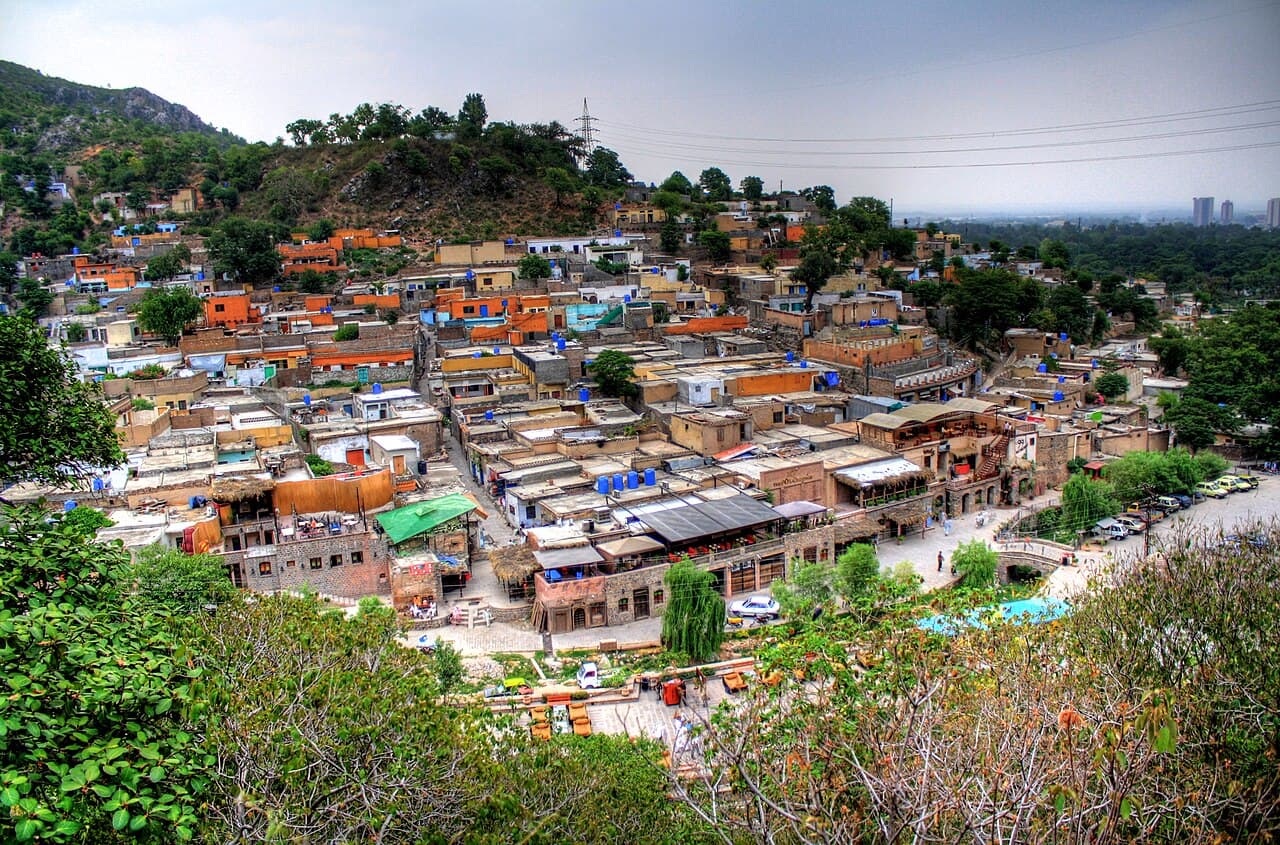
Islamabad used to be dismissed as a city of diplomats eating at hotel buffets. That story is twenty years out of date. The capital now has a food scene that draws from Pashtun, Punjabi, and Central Asian traditions while producing restaurants that could hold their own in any cosmopolitan city.
The standard joke about Islamabad's food used to be that the city had one good restaurant and it was in the Marriott. That era is definitively over. The last decade has seen a genuine culinary transformation: not just more restaurants, but a new confidence in what Islamabad's food culture can be — drawing on the city's unusual position as a meeting point for Pashtun, Punjabi, Hazara, and Kashmiri communities while also accommodating an internationally educated population that knows what a properly extracted espresso should taste like.
Here is how that evolution happened and where it has arrived.
The Pashtun Influence: Chapli Kabab and Beyond
Islamabad's proximity to the Khyber Pakhtunkhwa border has given the city an extraordinary inheritance in grilled meat. The chapli kabab here — a wide, flat disc of spiced minced beef or lamb, heavy on coriander seed and dried pomegranate — is consistently better than what you'll find in Lahore or Karachi, largely because the supply chain from KPK is short and the cooks who make it grew up eating it. The dhaba strips on Zero Point and in sectors I-8 and I-10 are the authentic entry point. Order the kabab, the naan from the tandoor visible from the street, and the raita mixed to order. Do not let anyone sell you a menu.
The Cafe Generation and the Coffee Revolution
The shift from milky tea as the default social beverage to specialty coffee happened faster in Islamabad than anywhere else in Pakistan. The concentration of universities, the embassy community, and the return of overseas-educated Pakistanis created a customer base that knew what a V60 pour-over was and was willing to pay for it. Cafes in F-7 and F-6 now source single-origin beans from Ethiopian and Colombian cooperatives and have baristas who have completed international certification. This isn't boutique posturing — the quality is genuinely high and the average cup price remains well below comparable cafes in London or New York.
Fusion Without Confusion: The New Islamabad Restaurant
A class of restaurant has emerged in Islamabad that is neither traditional Pakistani nor purely Western but something more interesting: places that treat local ingredients with international technique. Charcoal-grilled Peshwari lamb chops finished with a date and tamarind reduction. Kashmiri pink tea made into a panna cotta. Sajji — the Baloch whole-roasted chicken — reinterpreted with a dry-aging approach borrowed from European butchery. The best of these restaurants are in the newer commercial strips in E-11 and DHA, where the rents allow for proper kitchens and the clientele has the palate to demand consistency.
Street Food That the Guides Miss
The official food guides tend to cluster around the same handful of F-7 institutions. The more interesting eating in Islamabad is distributed and requires local knowledge. The Saturday haleem at the mosque near G-10 Markaz draws a queue from 7 a.m. The small Hazara restaurant in the I-10 industrial area serves a slow-cooked aash broth that is unlike anything else available in the city. The fruit chaat carts that appear in Sector G-6 during mango season — June and July — serve combinations of Chaunsa and Sindhri that are an education in what Pakistani mangoes actually taste like. These places will not appear on any food delivery app.
Where the Food Scene Is Heading
The trajectory is clear: greater technical ambition, deeper engagement with Pakistan's regional culinary traditions, and a growing audience that treats eating well as a form of cultural engagement rather than mere sustenance. The next wave is already visible in the younger chefs — many trained abroad and deliberately choosing to return — who are opening smaller, more concept-driven spaces in the capital. Islamabad's food story is no longer about catching up to Lahore or Karachi. It is becoming something distinct: the capital's cuisine, built on the unusual cultural convergence that only this particular city produces.
Story
Food
Reading time
7 min
Legacy editorial
First published 2 April 2025
Verify changing facts and prices independently.
More scenes from the destination
General destination planning
Check current details before you go
These official links are general planning resources, not evidence for this article. Opening hours, fares, prices, access rules and businesses can change, so confirm details independently for your dates.
Taqi Naqvi
AI product builder, writer, and Islamabad enthusiast. Building the Top 10 network to document the best of Pakistan's cities - honestly.
Connect on LinkedIn →