Connect this guide with the rest of your visit in the Islamabad trip planner. Read how the research is made and what its sources establish.
At a glance
Start here
- Check PMD and current official alerts before deciding to travel.
- Use one compact museum cluster instead of crossing the city between indoor stops.
- Treat hill roads, viewpoints and lake activities as poor substitutes for a proper wet-weather plan.
- Confirm venue status and the return journey before departure.
01
Make the go-or-no-go decision
Check the PMD forecast and warnings first, then look at conditions along the whole route rather than only at the destination. PMD's official page says live forecasts, alerts and advisories publish through its weather platform. NDMA's 2026 advisory for metropolitan areas says local intense rainfall and urban flooding can overwhelm drainage and disrupt communications and public infrastructure. These are reasons to make a fresh decision, not to rely on the sky outside one window.
Cancel or delay if official advice, visible flooding or transport disruption undermines a safe return. Do not cross standing water or treat an indoor venue as justification for reaching it through worsening conditions. This guide is an editorial framework for ordinary wet weather, not emergency instruction. The most current authority notice overrides every suggested pairing below.
- Check PMD's current forecast and alerts.
- Review the full outward and return route.
- Confirm the venue is operating.
- Stay put when official advice or local conditions make travel inappropriate.
02
Choose the Shakarparian museum cluster
For manageable rain, Shakarparian offers three different indoor anchors around Garden Avenue and the monument area. The National Heritage Museum covers living traditions, crafts, music, lifestyles and festivals. Pakistan Monument Museum follows a national historical narrative. PMNH uses fossils, skeletons, biodiversity, geology and other natural-history material. Their themes are distinct enough that the backup can still feel intentional.
Choose only one main institution before leaving. Add a second only after confirming it is open and conditions remain stable. This matters because “nearby” on a destination list does not mean a covered connection between doors. Plan the actual transfer and carry rain protection appropriate to the forecast. If a venue closes, do not roam between gates searching for a substitute; use the one confirmed fallback or return.
- Culture and communities: National Heritage Museum.
- Political memory and national chronology: Pakistan Monument Museum.
- Science, fossils and biodiversity: PMNH.
03
Turn one museum into a deep visit
Rain creates a reason to slow down. At Lok Virsa, compare how a craft is shown as object, technique and living practice. At Pakistan Monument Museum, follow how the narrative moves from social development to the Pakistan movement and post-independence achievements. At PMNH, compare an original specimen with a model or diorama and note what each can demonstrate.
Use a simple three-pass method. First, walk through without photographing. Second, return to three displays that answer a chosen question. Third, write what each source explicitly says and what remains your interpretation. This structure produces a complete outing even if the weather prevents a second stop. It also avoids padding the day with a café or shopping detour unrelated to the article's purpose.
Sources: National Institute of Folk and Traditional Heritage; National Institute of Folk and Traditional Heritage; Pakistan Museum of Natural History04
Choose history or science for the second lens
If the first stop is the National Heritage Museum, decide whether the second lens should be national history or natural science. Pakistan Monument Museum continues through a chronology of social development, the Pakistan movement and later achievements. PMNH changes the question completely, moving to fossils, biodiversity, rocks and ecological display. Either creates a real comparison; doing both may simply dilute attention.
Make the decision before leaving the first building. Ask whether the group wants to extend the same cultural discussion or change subjects. Confirm the second venue directly and return if weather or transport has worsened. A rainy day is not improved by adding another door solely to increase the venue count.
Sources: National Institute of Folk and Traditional Heritage; Pakistan Museum of Natural History05
Avoid false indoor plans
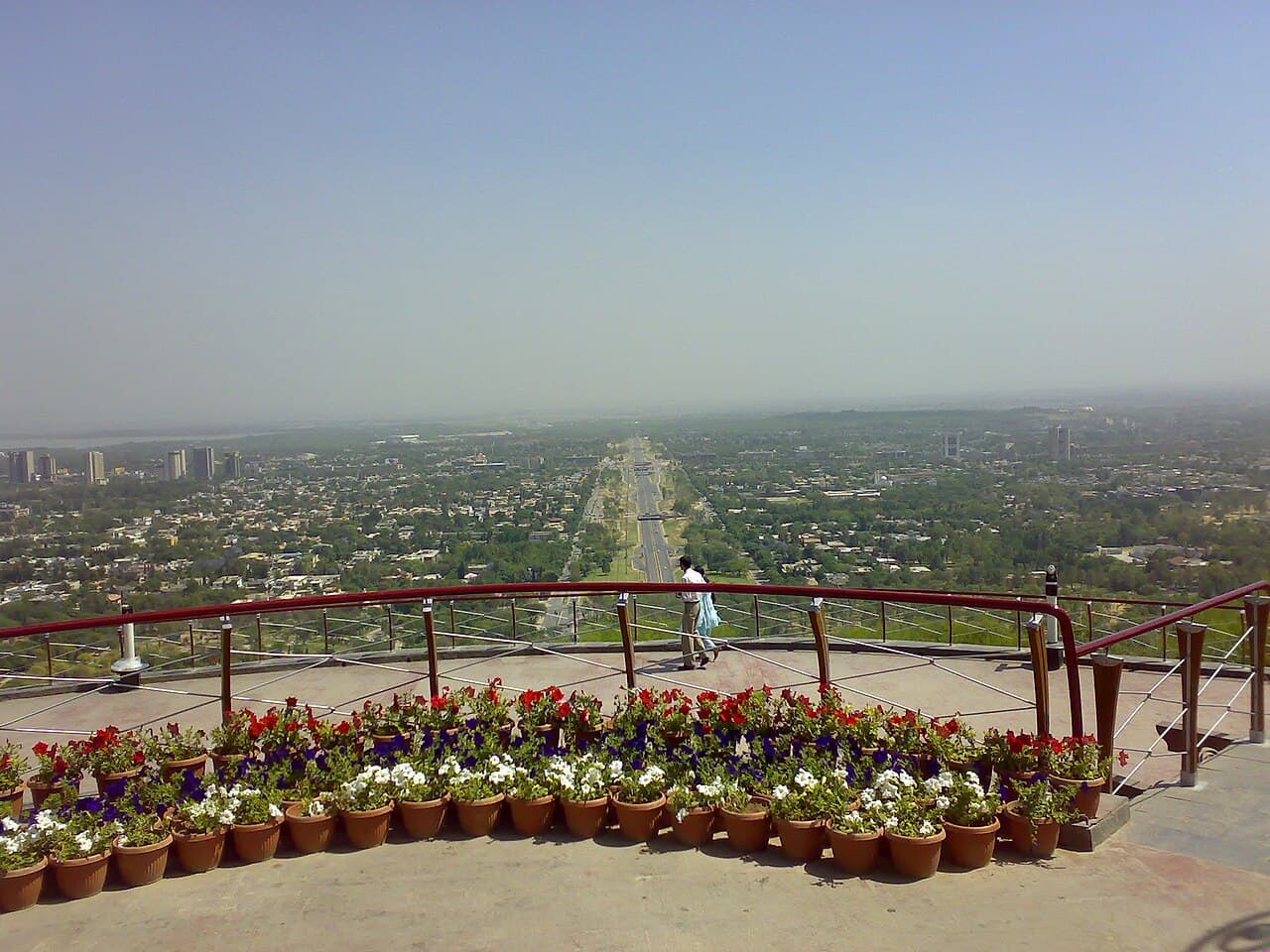
A covered destination can still require exposed parking, a long entrance approach or travel through waterlogged roads. A viewpoint is not automatically a rainy-day attraction; poor visibility can remove its purpose, and any elevated approach requires its own current assessment. An outdoor activity also does not become suitable simply because the rain is light at departure.
Reject any plan that depends on “it will probably clear.” Build around what remains useful if rain continues: a verified museum, a short transfer and an uncomplicated return. Avoid freezing a ride estimate or transport schedule in advance. Compare any journey information with current notices and what the operator is actually running.
06
Prepare for the road, not just the door
NHMP's July 2026 monsoon advisory states that rainfall can cause slippery road surfaces, reduced visibility and a greater crash risk on national highways and motorways; it advises checking current weather and road conditions before travel. Even if your museum route remains inside Islamabad, that principle is useful for anyone arriving from Rawalpindi, the airport or another city: assess the approach, not merely the final few streets.
Keep the phone charged, share the route, use a fixed pickup location and allow the driver to prioritise conditions over your preferred arrival time. Do not ask for abrupt roadside stops to save a wet walk. If the return route deteriorates, finish early. A culture day can be repeated; a rigid itinerary is never a reason to ignore an official advisory.
Sources: National Highways and Motorway Police07
Use three weather scenarios
For light, stable rain with no alert, use one confirmed venue and a nearby optional backup. For persistent rain with uncertain transfers, choose one institution only and arrange a direct return. For heavy rain, flooding, official warnings or poor road conditions, postpone. These categories are planning prompts rather than meteorological thresholds; PMD and relevant authorities provide the actual current information.
Tell the group which scenario applies before departure and what would trigger a change. That shared rule prevents pressure to continue because tickets, a driver or expectations have already been arranged. The best rainy-day plan preserves a useful experience without pretending weather is merely atmospheric decoration. In Islamabad, the indoor collections are substantial enough to deserve a day of their own; use them that way.
- Light and stable: one anchor plus one close option.
- Persistent or uncertain: one anchor and direct return.
- Heavy, flooded or officially warned: postpone.
Useful answers
Reader questions
Where should I check Islamabad weather before leaving?
Start with PMD's official platform for live forecasts, warnings and advisories. Then check current road or transport information relevant to your exact route. A generic weather app should not overrule an official alert.
Sources: Pakistan Meteorological DepartmentWhat is the strongest indoor cluster in Islamabad?
The Shakarparian and Garden Avenue area offers the most coherent museum choice: National Heritage Museum, Pakistan Monument Museum and PMNH. Select one main venue and verify any second stop before travelling.
Sources: National Institute of Folk and Traditional Heritage; National Institute of Folk and Traditional Heritage; Pakistan Museum of Natural HistoryShould I add an outdoor viewpoint when the rain is light?
Only after reassessing visibility, access, road conditions and the return journey. A confirmed indoor venue is a more dependable core; do not build the plan around the hope that a view will clear.
Sources:Can I rely on normal museum opening information during heavy rain?
No. Confirm directly on the day. NDMA warns that severe monsoon conditions can disrupt metropolitan infrastructure and communications, while NHMP advises checking current weather and road conditions before travel. An indoor destination is not evidence that the route is operating normally.
Sources: National Disaster Management Authority; National Highways and Motorway PoliceRead the evidence
Sources and further reading
These sources support the relevant sections above. Plans and comparisons are editorial suggestions. Check operators for current arrangements.
- Pakistan Meteorological Department ↗Pakistan Meteorological Department · Research date 14 September 2026
PMD's official live forecast, warning and advisory channels.
- Monsoon Infrastructure Advisory 2026 – Metropolitan Areas of Pakistan ↗National Disaster Management Authority · Research date 14 September 2026
Current official warning that intense monsoon rain and urban flooding can disrupt metropolitan infrastructure and communications.
- Press Releases | National Highways and Motorway Police ↗National Highways and Motorway Police · Research date 14 September 2026
The July 27, 2026 rain advisory on slippery surfaces, reduced visibility and checking weather and road conditions before travel.
- National Heritage Museum – Lok Virsa ↗National Institute of Folk and Traditional Heritage · Research date 14 September 2026
The indoor museum's focus on living traditions, folk heritage, crafts, music, lifestyles and festivals.
- Pakistan Monument Museum – Lok Virsa ↗National Institute of Folk and Traditional Heritage · Research date 14 September 2026
The museum's national historical narrative and indoor supporting spaces.
- Galleries - pmnh.gov.pk ↗Pakistan Museum of Natural History · Research date 14 September 2026
PMNH's indoor gallery themes and display types.