Margalla Hills Trails: Every Route Rated for All Skill Levels
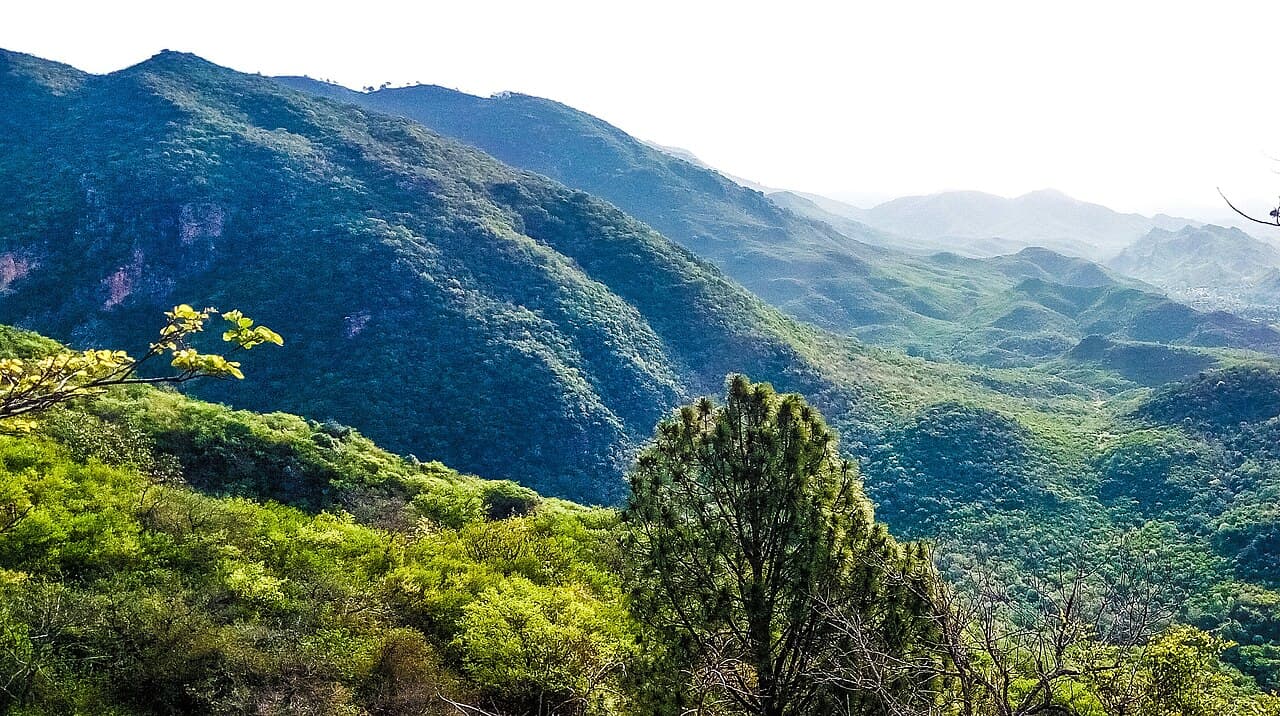
A practical comparison of the Margalla Hills' marked routes, from the easy Trail 3 stroll to the more demanding Trail 6 ridge walk.
Islamabad is one of the few capitals in the world where you can leave your office, drive fifteen minutes, and find yourself deep inside a forest of chir pine and wild olive. The Margalla Hills — a spur of the outer Himalayas — rise directly north of the city, and their trail network is both the city's greatest recreational asset and its most underrated secret. Most residents stick to Trail 3. Fewer know about Trail 5. Almost nobody talks about the full ridge traverse.
This guide compares the marked routes by distance, elevation, terrain, season, and the kind of day each trail suits. Confirm current access and conditions with park staff before setting out.
Trail 3 — The Social Stroll (Easy)
Distance: 4 km loop | Elevation gain: 180 m | Best for: Families, first-timers, early-morning walkers. Trail 3 is Islamabad's communal living room. The wide, well-maintained path begins near Sector F-6 and winds through dense shisham and paper mulberry before opening onto a ridge with a clear view of the Shakarparian hills. On weekday mornings you'll share it with retired diplomats power-walking and university students memorising flashcards. On Sundays it gets genuinely crowded. The monkeys are fearless — do not bring visible food.
Trail 5 — The Sweet Spot (Moderate)
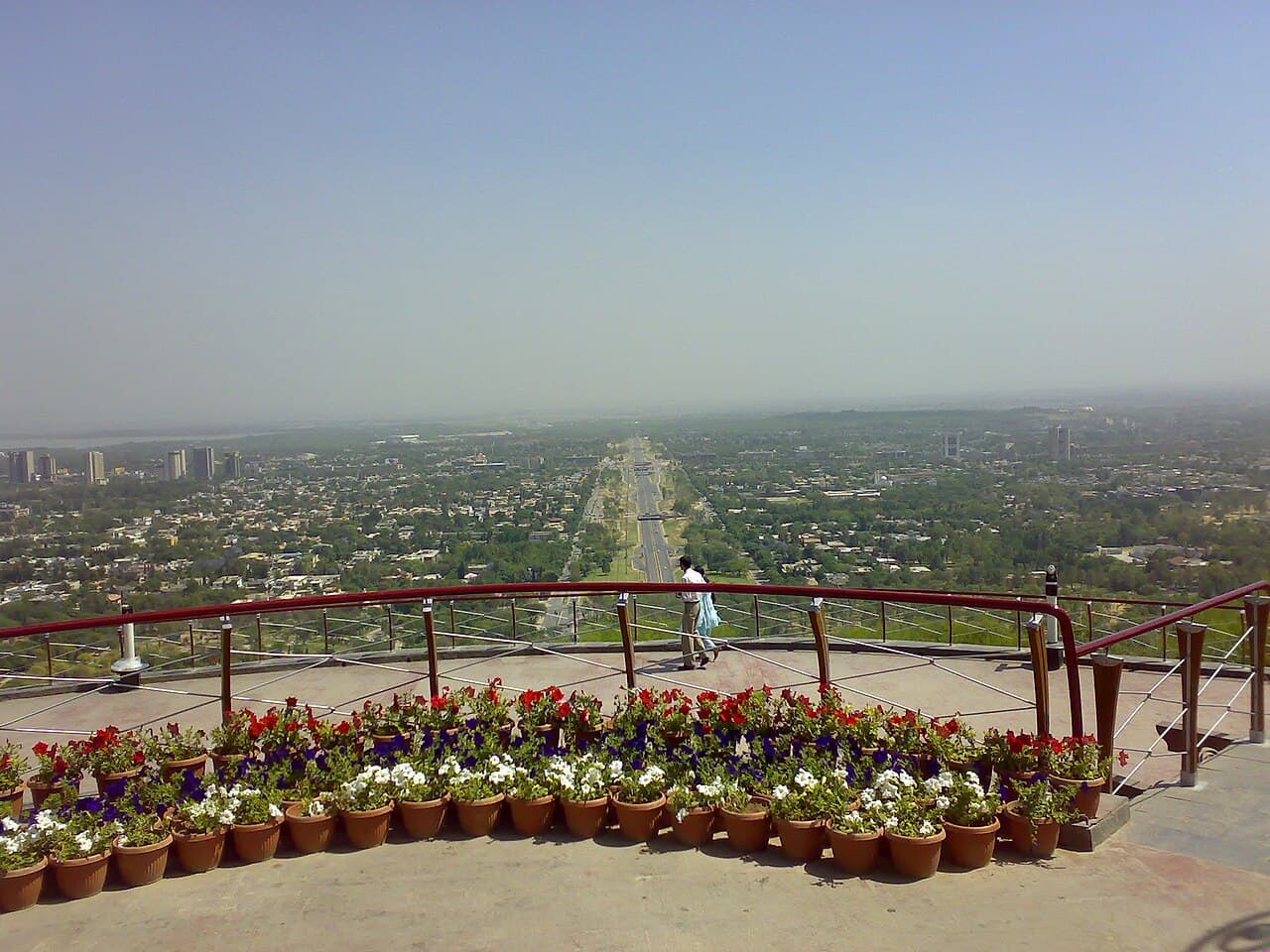
Distance: 8 km out-and-back | Elevation gain: 420 m | Best for: Regular hikers wanting solitude and views. Trail 5 begins beyond Trail 3 and climbs steadily through a narrowing valley. The path becomes rocky after the first kilometre and requires attention during the monsoon when runoff carves channels across it. The payoff is a summit clearing at roughly 1,150 m where you can see the entire bowl of Islamabad — the grid of sectors, Rawal Lake glinting in the distance, and on clear winter days the snow-capped peaks of Nanga Parbat far to the north. Allow three hours return.
Trail 6 — For the Serious Hiker (Difficult)
Distance: 14 km | Elevation gain: 740 m | Best for: Fit hikers, early starts, those who want true wilderness. Trail 6 is where the city falls completely away. The ridge walk demands navigation skills — the path fades in sections — and a very early 5 a.m. start is essential in summer to beat the heat. You will see leopard pugmarks occasionally reported near this route; wildlife sightings of barking deer and Indian flying foxes are common. Carry at least three litres of water. There is no shade for long stretches of the upper ridge.
Trail 4 — The Connector (Moderate)
Distance: 6 km | Elevation gain: 310 m | Best for: Those linking Trail 3 and Trail 5 into a longer loop. Trail 4 is the city's best-kept secret — a quieter path that runs parallel to Trail 3 at a higher elevation. The tree cover here is the densest of all the trails, and the birding is exceptional. Over 300 species have been recorded in the Margalla Hills; at dawn in March you can hear the oriental magpie-robin and the crested lark without moving from a single viewpoint.
Practical Notes for All Trails
The Islamabad Wildlife Management Board maintains the trails and charges a nominal entry fee at the main access points. The best hiking months are October through February — the air is clean, the light is golden, and the visibility is extraordinary. Avoid June through August unless you specifically want to experience the monsoon greening of the hills, in which case Trail 3 post-rain is genuinely beautiful but extremely slippery. Always check in with the rangers at the entry kiosks; they track numbers on the trails and will know current conditions.
Story
Nature
Reading time
8 min
Legacy editorial
First published 10 March 2025
Verify changing facts and prices independently.
More scenes from the destination
General destination planning
Check current details before you go
These official links are general planning resources, not evidence for this article. Opening hours, fares, prices, access rules and businesses can change, so confirm details independently for your dates.
Taqi Naqvi
AI product builder, writer, and Islamabad enthusiast. Building the Top 10 network to document the best of Pakistan's cities - honestly.
Connect on LinkedIn →